What Nervous System Regulation Really Means (and Why Forcing Calm Doesn’t Work)
Nervous system regulation has become a popular phrase — but for many sensitive women, it still feels vague, confusing, or out of reach.
If you’ve ever been told to “just relax,” “take a deep breath,” or “calm down,” yet felt your body do the opposite, you’re not failing at regulation. Your nervous system simply isn’t responding to force.
True nervous system regulation isn’t about controlling your emotions or overriding your stress response. It’s about safety — and learning how to support your body in a way that feels gentle, respectful, and sustainable.
In this post, we’ll explore what nervous system regulation actually means, why forcing calm often backfires for sensitive nervous systems, and what a softer, more effective approach can look like.
What Nervous System Regulation Really Means
With a simple google search, you would find that:
“Nervous system regulation refers to the body’s ability to maintain balance and adapt to stressors. It involves a cascade of physiological responses that help reduce heightened states of arousal and promote calmness during distress. Essentially, it allows individuals to move flexibly between different states of arousal in response to environmental changes, ensuring they are not overwhelmed. This regulation is crucial for both mental and physical health, as it helps manage stress and maintain overall well-being.” Credit: positivepsychology.com
Simply put, nervous system regulation is your 24/7 best friend for helping you maintain a state of calm, comfort and safety, and helping you fluidly return to a state of safety and relief after a stressful moment. Decreasing overwhelm and increasing your ability to respond in the best way possible, further keeping you (and others) safe and healthy.
The key takeaway here is that regulation is not about being calm all the time, but simply being present and able to respond (not react) accordingly from a place of safety and connection. Connection to your body, your sense of self and the present moment. Expecting one to be calm all the time is not sustainable nor even possible and would be an unfair expectation to place on anyone. So please never put this pressure on yourself. Feeling stressed is not a sign of failure. Quite the opposite, actually. It’s a good sign your body is responding accurately to the stimuli. Your stress is always valid. But you can feel stress while also remaining present without emotionally armoring or collapsing.
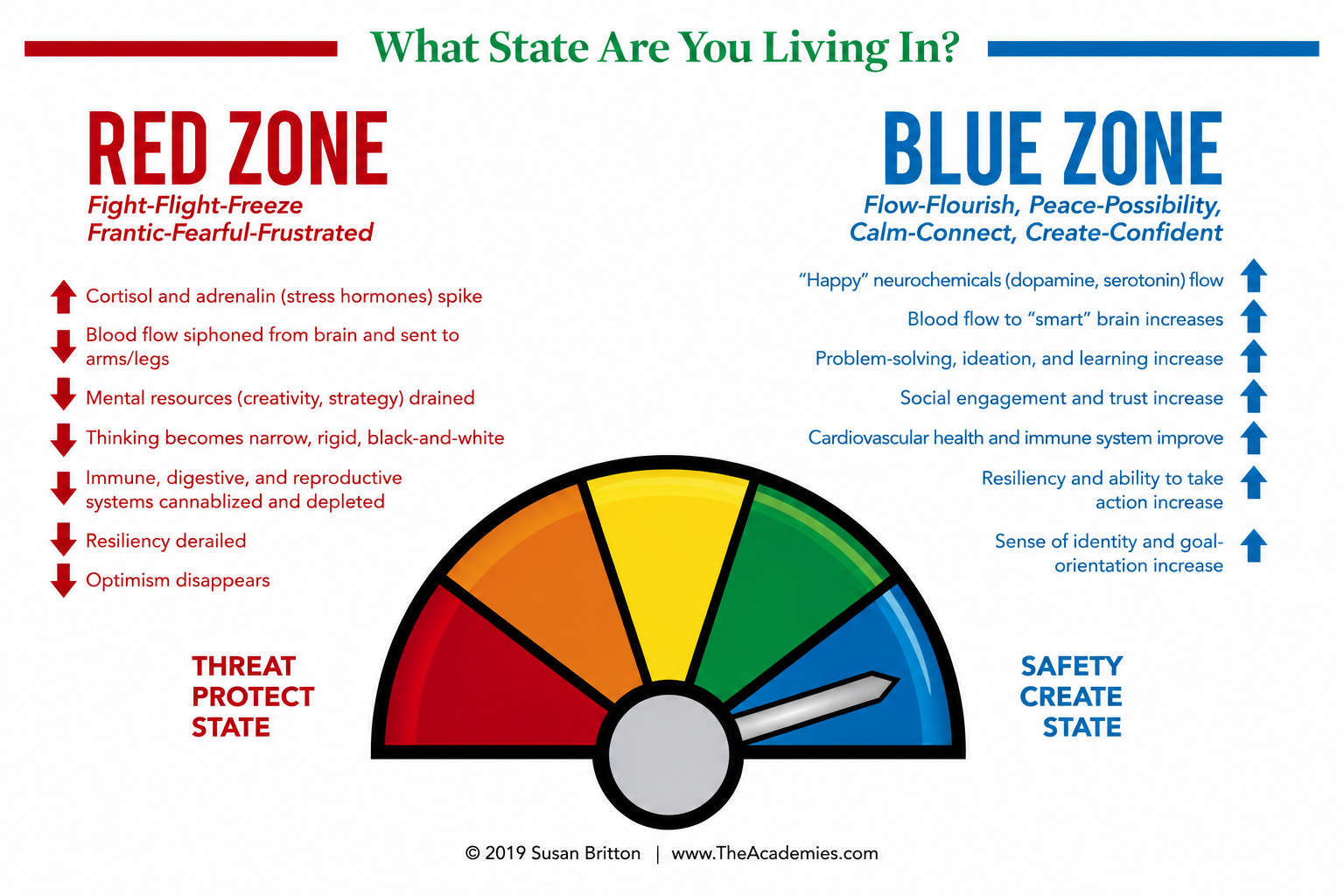
A healthy, regulated person will be able to return to a state of relief and safety rather quickly and easily. They will be able to feel emotion without feeling overwhelmed to the point of feeling out of control. Sensitivity does not mean dysregulation- it often actually means responsiveness and safety.
In contrast, a dysregulated person will feel they are at their max, the nerves will feel raw and easily stressed and unbalanced, and they will find problem-solving and the ability to think clearly difficult. Or they may go to the other extreme of becoming a hyper-vigilant, laser-focused problem solver and crisis manager. This is also not healthy for any nervous system, either. In more severe, rarer cases, they may struggle to have access to reason and logic and may have a hard time engaging positively or politely with others. They may even be difficult to reach and calm down once they reach a heightened level of stress. Or, at best, they will simply need more time to recover and restore their nervous system to homeostasis. Where a regulated person would usually be able to relax back into safety and relief more easily and in a shorter amount of time.
Physical or emotional symptoms of dysregulation can include chronic pain, migraines, difficulty concentrating, agitation, moodiness, insomnia, sweating, nausea, indigestion, anxiety, and a racing heart (Elbers & Batista, 2018).
As you can imagine, learning about nervous system regulation and relaxing, calming tools can only benefit you and others which will further help you choose more wisely who to allow or not allow in your life, or at least have healthier expectations and understandings of others in your life moving forward, which will improve your overall well-being.
We all get triggered and feel dysregulated from time to time. When I mention dysregulated people, I mean, people who are living in a constant state of heightened stress and insecurity or what psychologsts refer to as the “red zone” and may not always have the ability to take responsibility in learning how to regulate themselves to foster healthy relations with others and themselves. When I speak of regulated people, I mean people who have a baseline of inner safety and spend the majority of their time in what psychologists call the blue zone. These people, of course, get triggered and feel stressed from time to time, but they know how to regulate, take responsibility for their impact, create repair, and make amends. They are secure inside and are most of the time in a state of openness, flow and connection.
It’s important for you and those around you to be regulated and connected, so everyone involved can move in and out of stress safely, further enhancing each other’s lives when challenges arise. Life is challenging enough. Adding dysregulated individuals (who don’t take responsibilty for their emotions and impact on others) on top of an already stressful situation is an unnecessary crisis and tragedy I don’t wish upon anyone. Please take healthy protective measures as you see fit. Conversely, going through a challenging time with someone who is regulated can be healing and life-affirming, bonding you both more deeply. Further increasing trust, safety and feelings of warmth and openness.
Conflicts with someone who is dysregulated usually cause more trauma in both people and further fracture connection and trust.
Whereas,
Conflicts with someone who is regulated usually result in actually more closeness and a stronger bond.
Why Forcing Calm Often Backfires
Purpose: Validate lived experience and build trust.
Key points:
- The nervous system responds to perceived safety, not instructions
- Forcing calm can increase tension, shame, or self-criticism
- Sensitive nervous systems often become more activated by pressure
- Trying to override signals teaches the body it isn’t being listened to
This is where readers think: “Yes. That’s exactly it.”
Imagine someone is telling you to “Calm down” (which is never helpful. Let’s agree this phrase should be illegal. Right? Right. ) when your house in on fire. No matter how much you try to calm down, your body resists you and you actually feel more and MORE stressed. Because to your body, the fire is getting worse and smoke will start to fill your lungs and your house will start crashing down around you if you don’t get out. Someone telling you the words that should never be spoken is gaslighting and invalidating. It’s like telling you, “There’s no fire. There’s no reason to be stressed right now.” Which can make you feel shame, insecure, self-critical or self-doubting. Additionally, this can feel like a lack of empathy, compassion, or attunement, which only increases your feeling of unsafety and ultimately stress. What your body needs in that moment is for someone to see you and take you out of the building that’s on fire, and take you outside to safety. Only then will your body begin to relax. Your body responds to perceived safety, not instructions. It’s the same concept when it comes to emotions.
Why Sensitive Nervous Systems Respond Differently
Purpose: Normalize sensitivity and remove pathology.
Key points:
- Sensitivity = heightened perception, not weakness
- Many sensitive women learned early to stay alert or attuned
- Chronic alertness isn’t a flaw — it’s adaptation
- Regulation must honor this intelligence, not suppress it
This section quietly establishes authority.
What Actually Helps the Nervous System Regulate
Purpose: Shift from “doing” to “conditions.”
Key points:
- Safety comes before techniques
- Predictability, slowness, and gentleness matter more than intensity
- Short, consistent moments of relief are more effective than long practices
- The body relaxes when it feels respected
This prepares the reader for your Free Reset naturally.
A Softer Way to Begin
Purpose: Transition from insight → invitation.
Key points:
- You don’t need to fix your nervous system
- You don’t need to understand everything first
- Regulation can begin with a single, contained moment
- Ease builds through repetition, not effort
Keep this hopeful but grounded.
Nervous system regulation isn’t something you force your way into.
It’s something your body remembers when it feels safe enough to soften.
If reading this brought even a small sense of relief, that’s your nervous system responding to being met with understanding rather than pressure.
You don’t need to do more right now. Sometimes one gentle moment is enough to begin shifting the pattern.
If you’d like a quiet place to start, I’ve created a Free 1-Minute Nervous System Reset designed specifically for sensitive nervous systems — no force, no fixing, just a brief experience of safety your body can return to.
You’re welcome to explore it whenever it feels right.